Studio Palette

Art education, studio practice & creative servicesSacramento, California
Studio Palette Arts & Crafts
Why Art Matters for ChildrenExplore →
#RRGGBB

Solid colors

Popular gradients

Create your gradient

Use 2 to 5 colors and place each one along the gradient.

Color 1
Color 2

Where Art Skills Can Lead

Creative Careers for Artists

Art education can support many creative directions. Career paths differ in training, tools, working environments, and income structures, but they often share strong observation, visual communication, technical practice, problem-solving, and the ability to develop ideas.

Fine art and independent studio practice

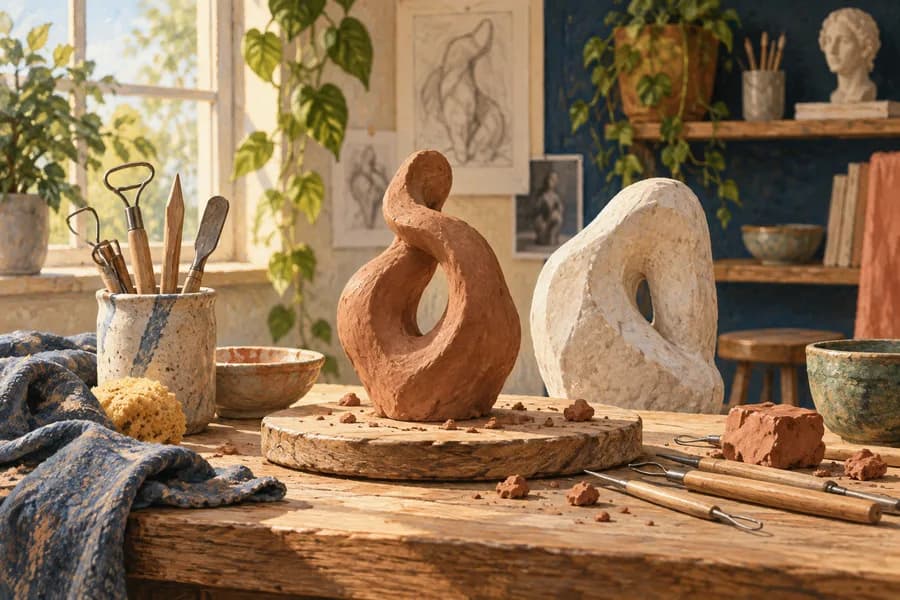
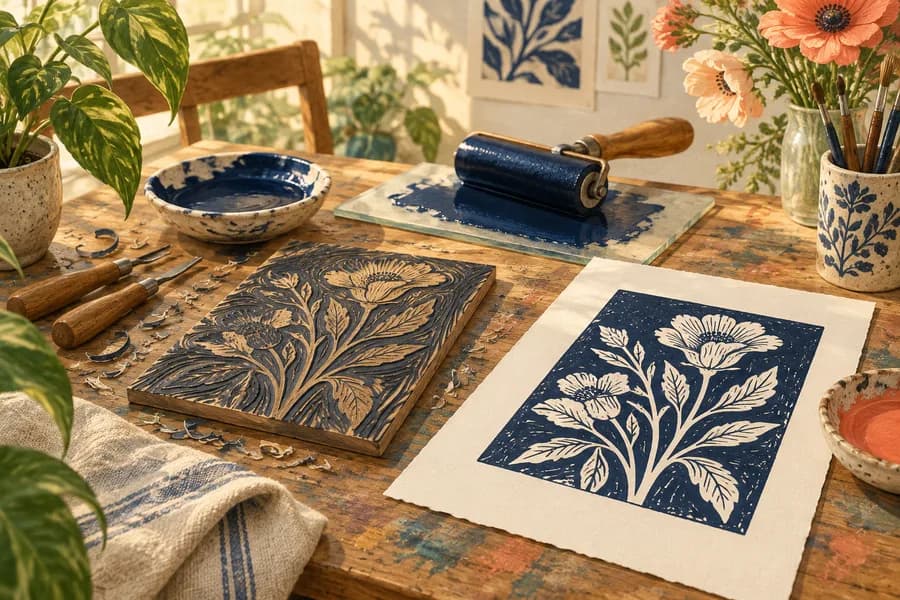
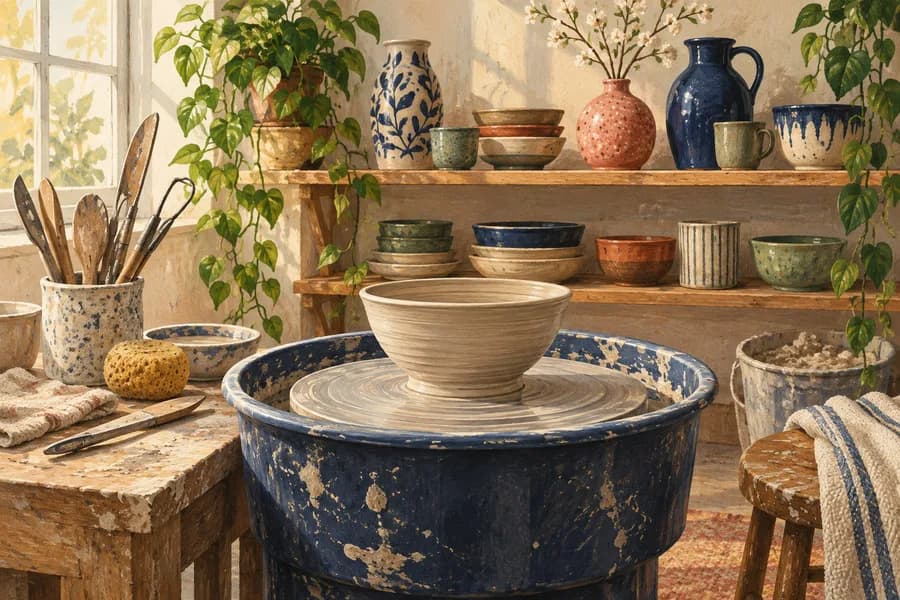
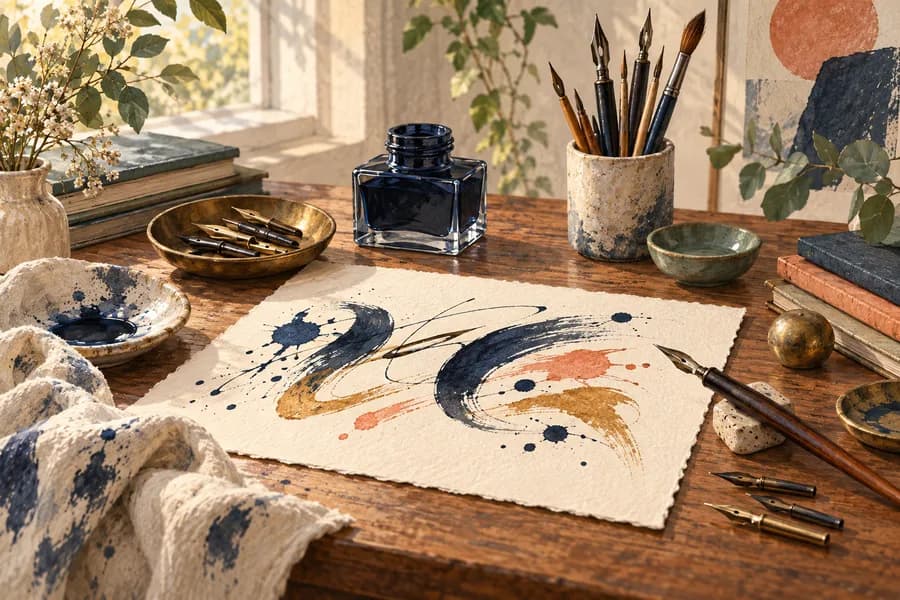
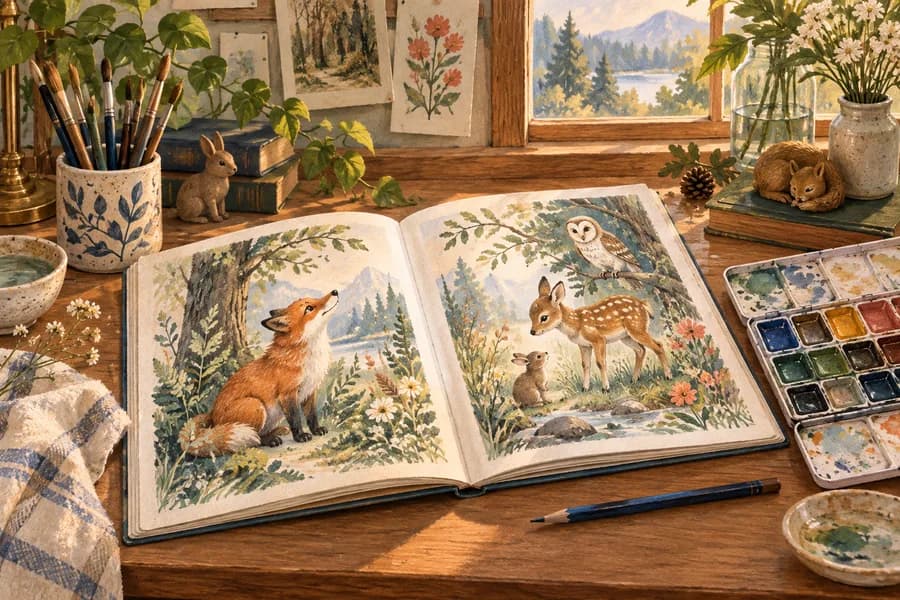
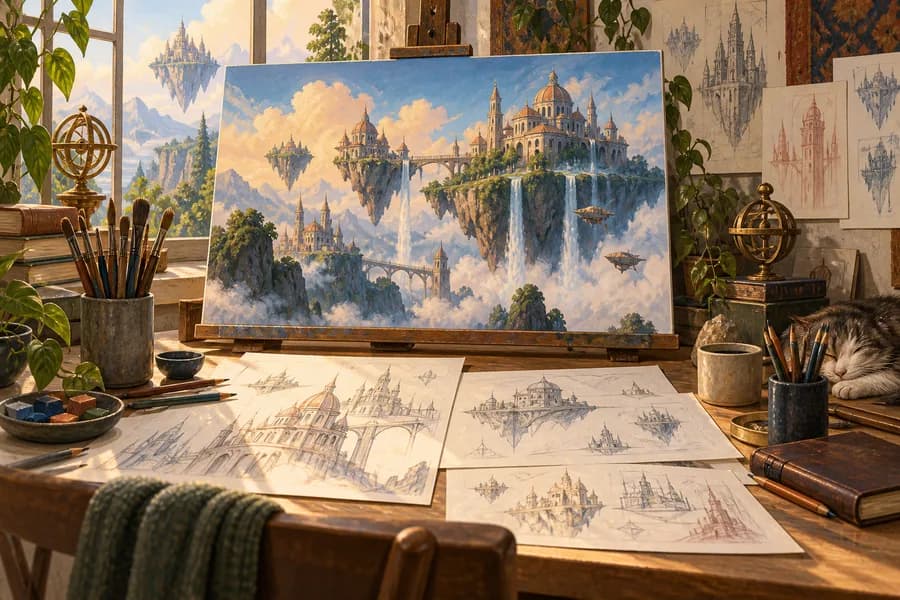
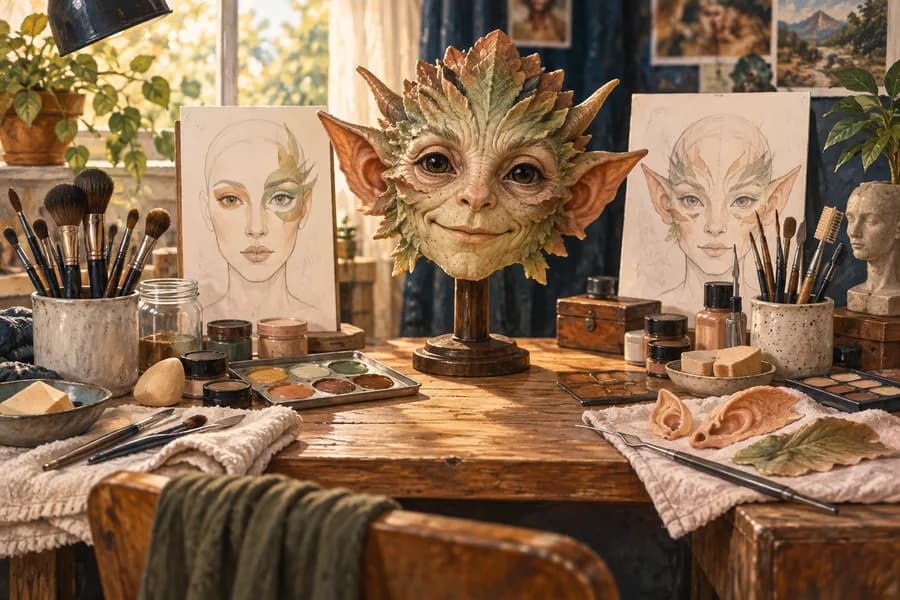
Painters, sculptors, ceramic artists, printmakers, muralists, and mixed-media artists create original work for exhibitions, commissions, public spaces, collections, or direct sale. Many combine studio practice with teaching, design, fabrication, or other professional work.
Design and visual communication

Design-related paths may include:

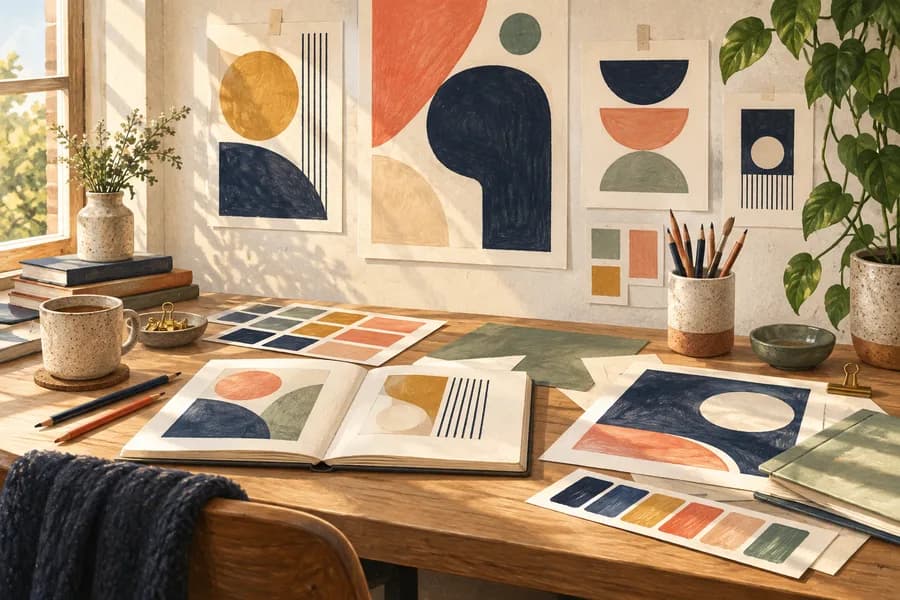
  • Graphic, brand, publication, and packaging design
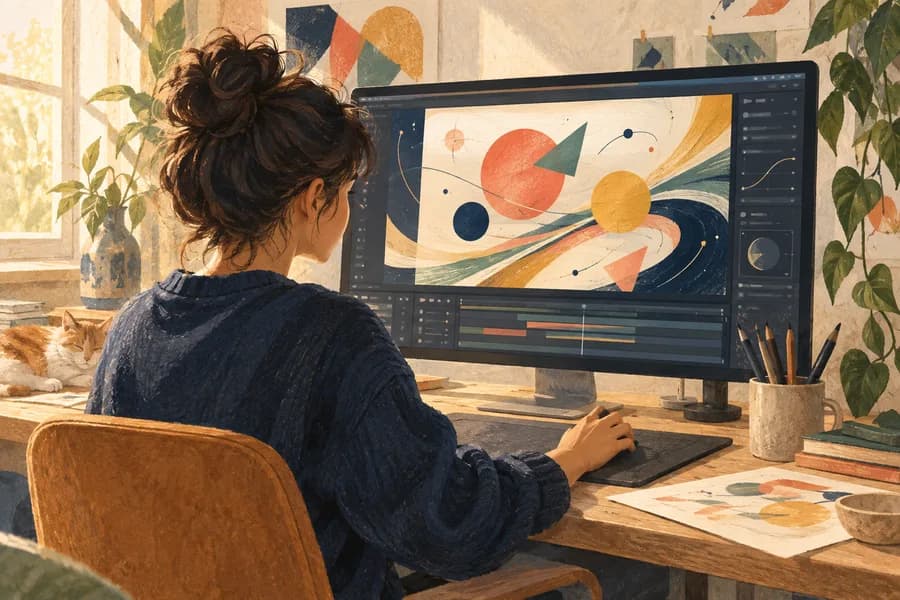
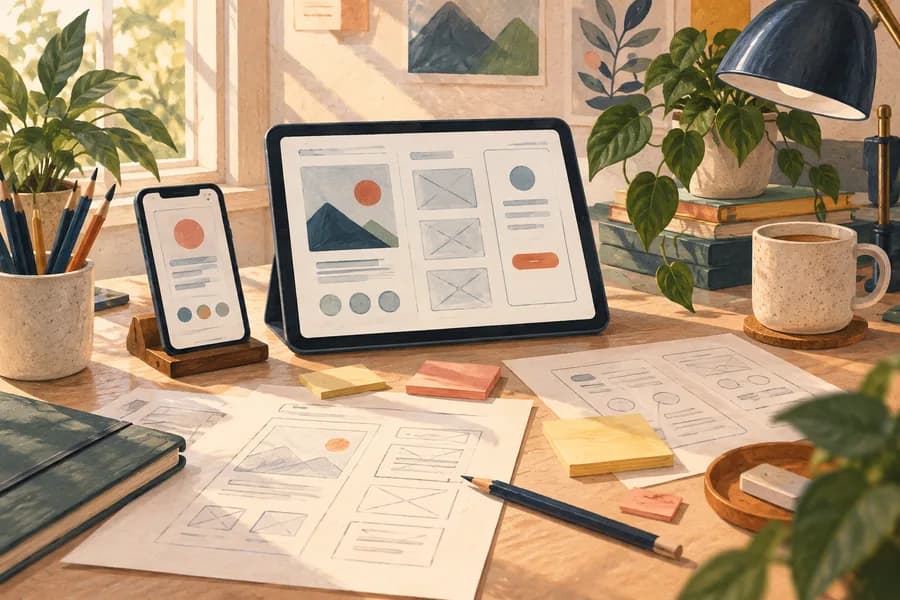
  • User-interface and digital product design
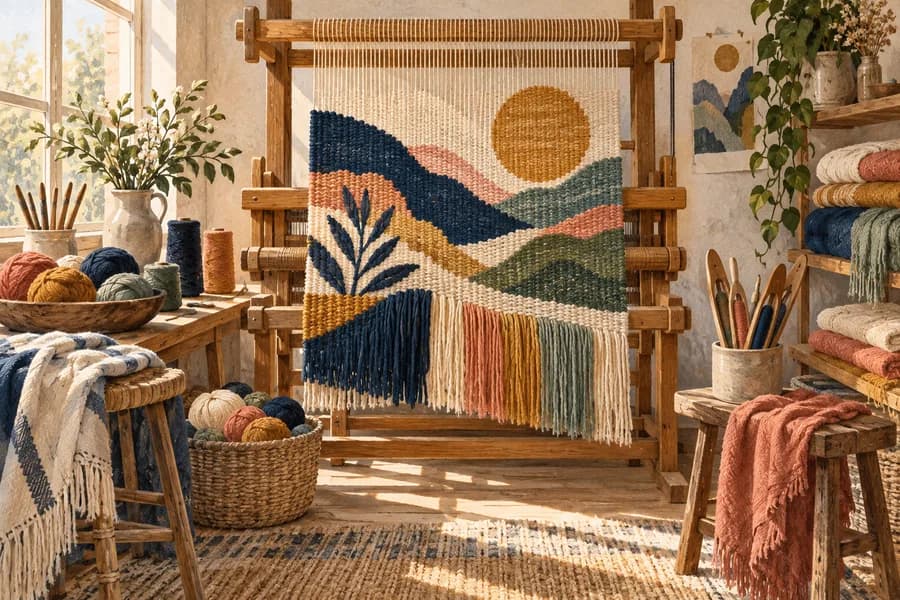
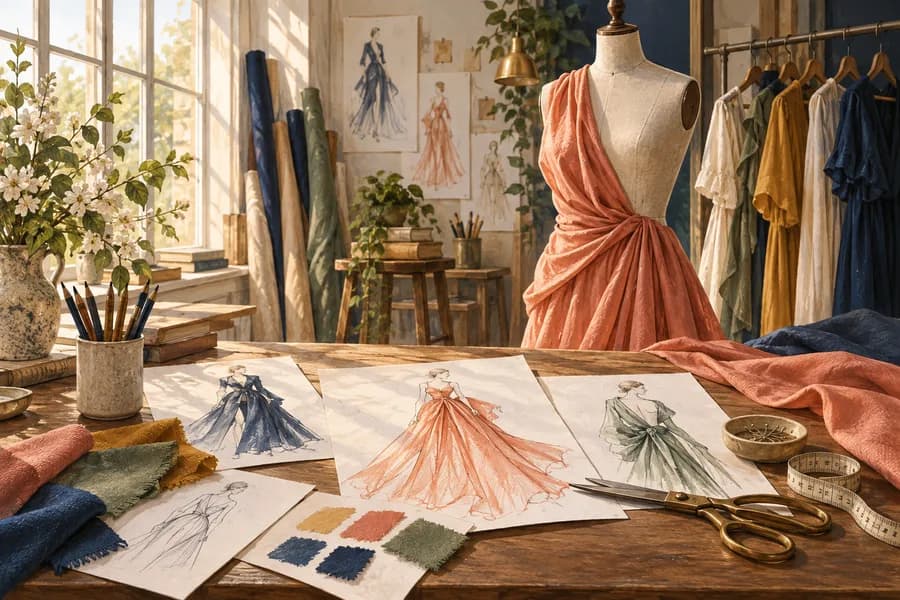
  • Fashion, textile, surface-pattern, and costume design
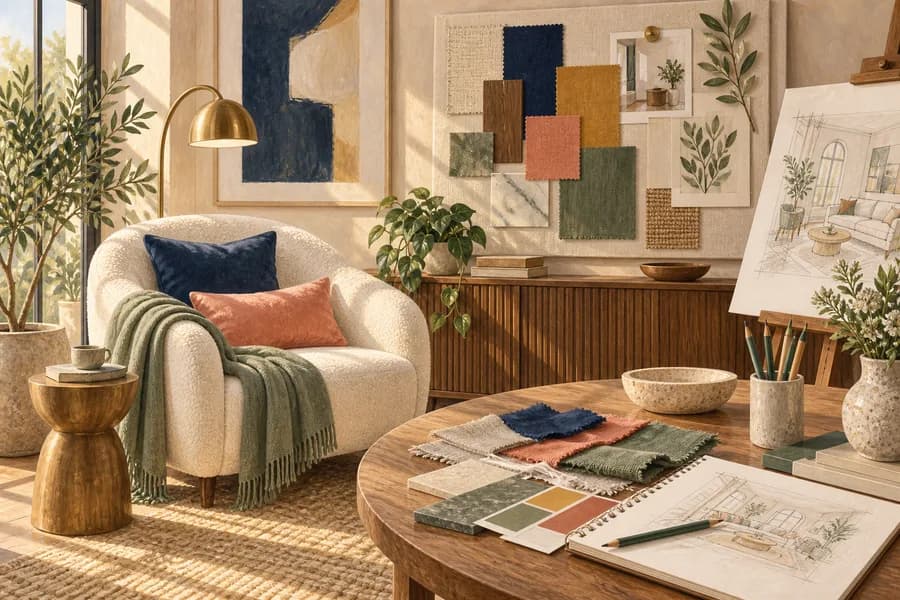
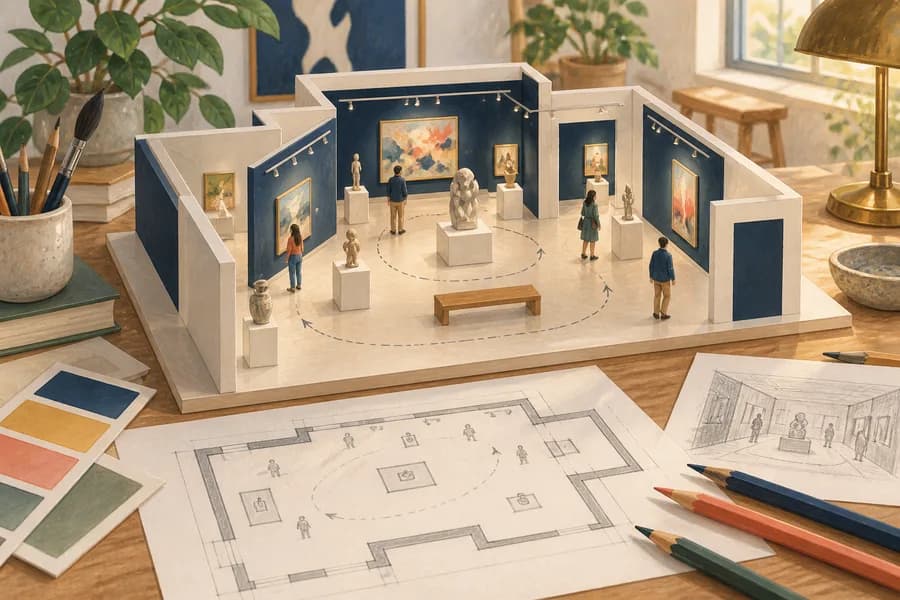
  • Interior, exhibition, and environmental design
  • Advertising, art direction, and visual marketing

Illustration, animation, and media

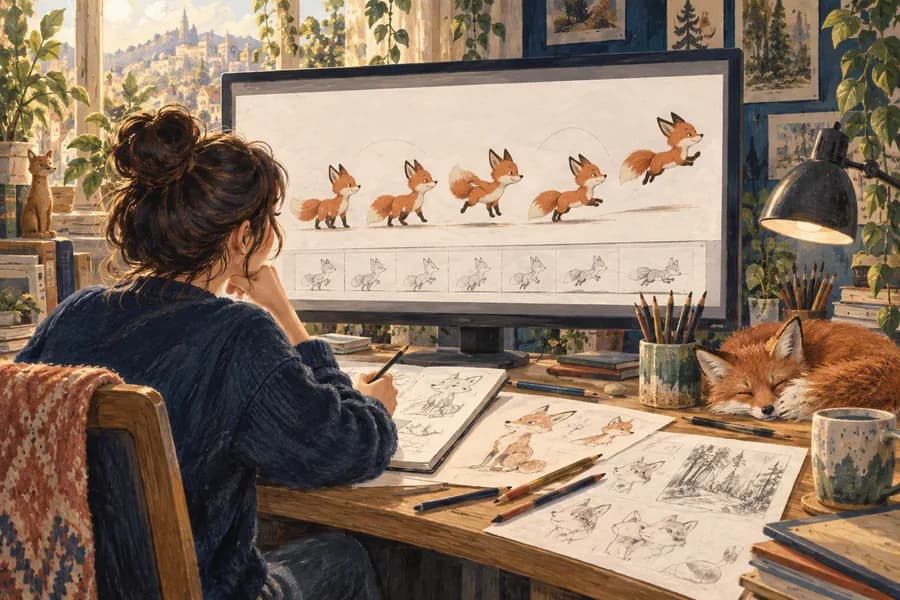
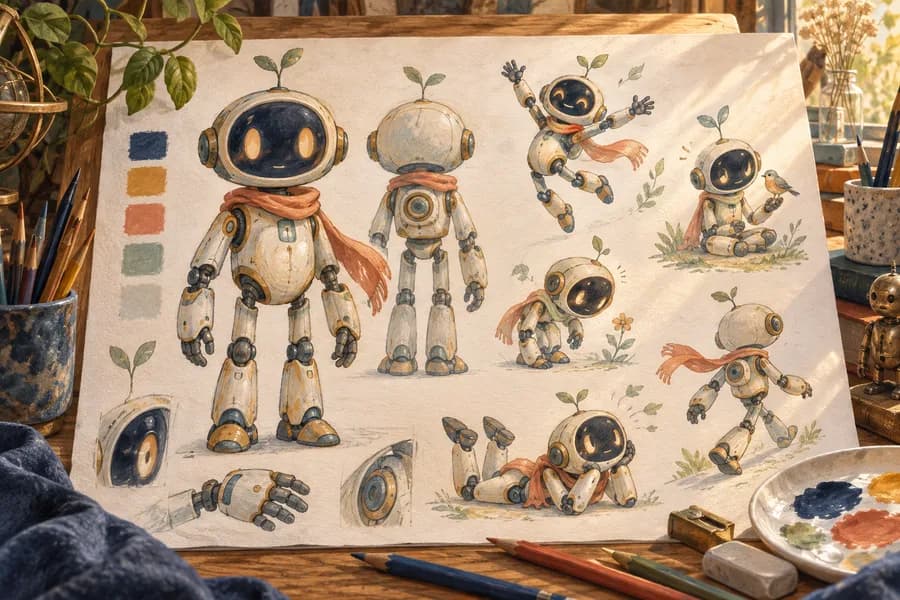
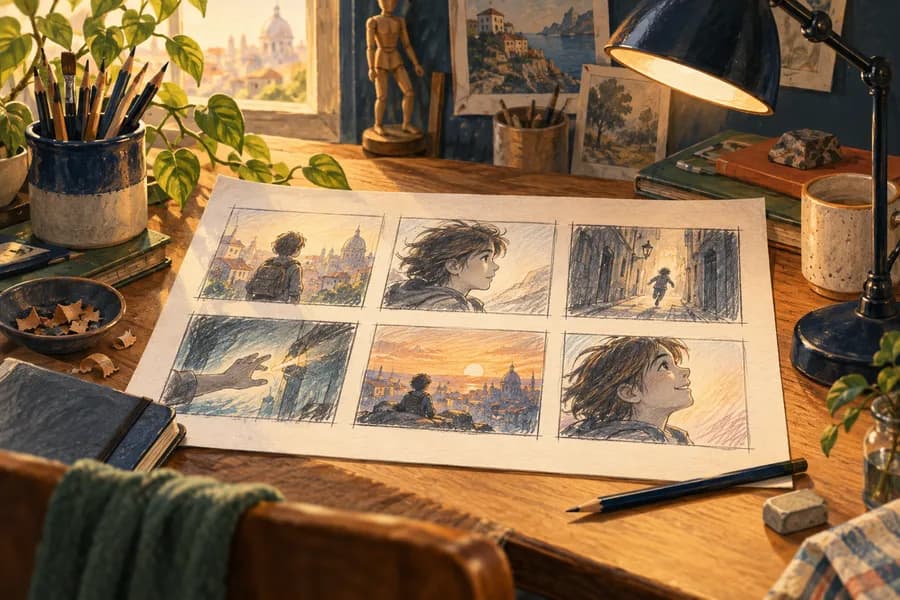
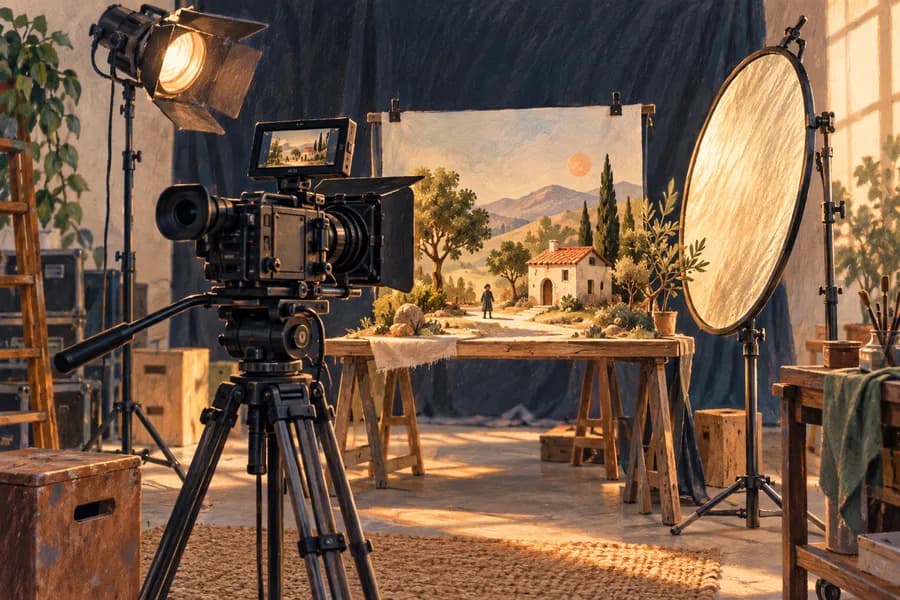
Illustrators, concept artists, storyboard artists, animators, photographers, video artists, and game artists use drawing, composition, color, storytelling, and digital tools to communicate ideas across print, film, entertainment, education, and interactive media.

Objects, spaces, and three-dimensional work

Three-dimensional and spatial fields include:

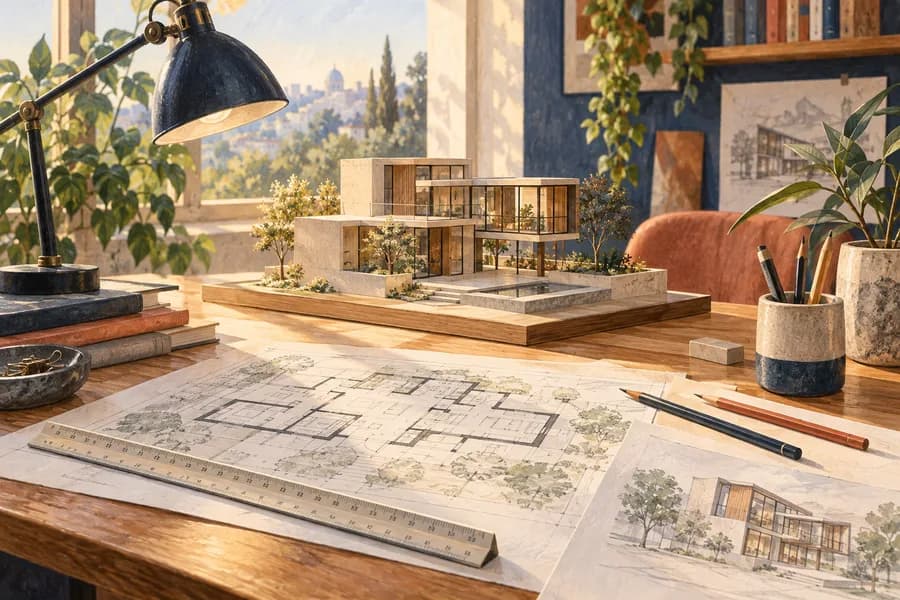
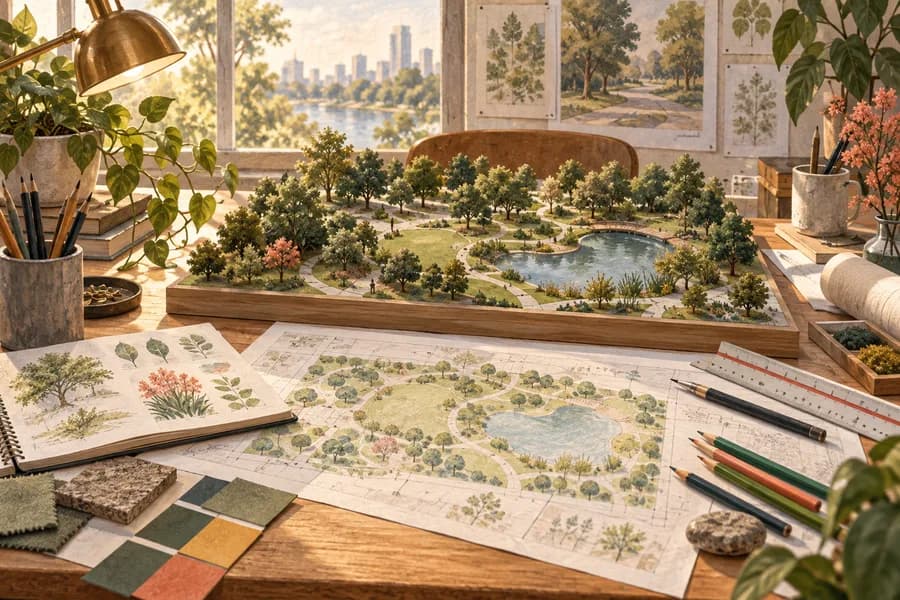
  • Architecture and landscape architecture
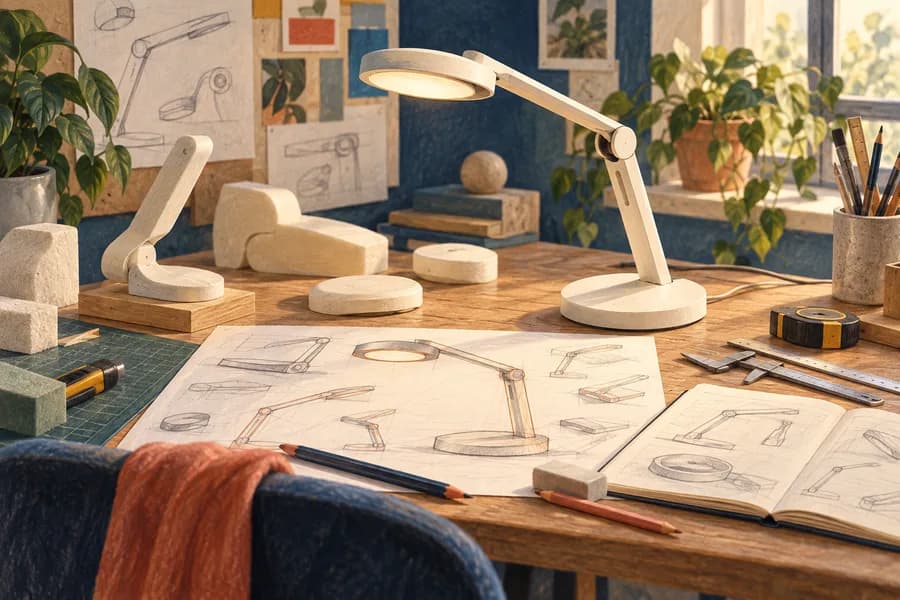
  • Industrial, product, furniture, and toy design
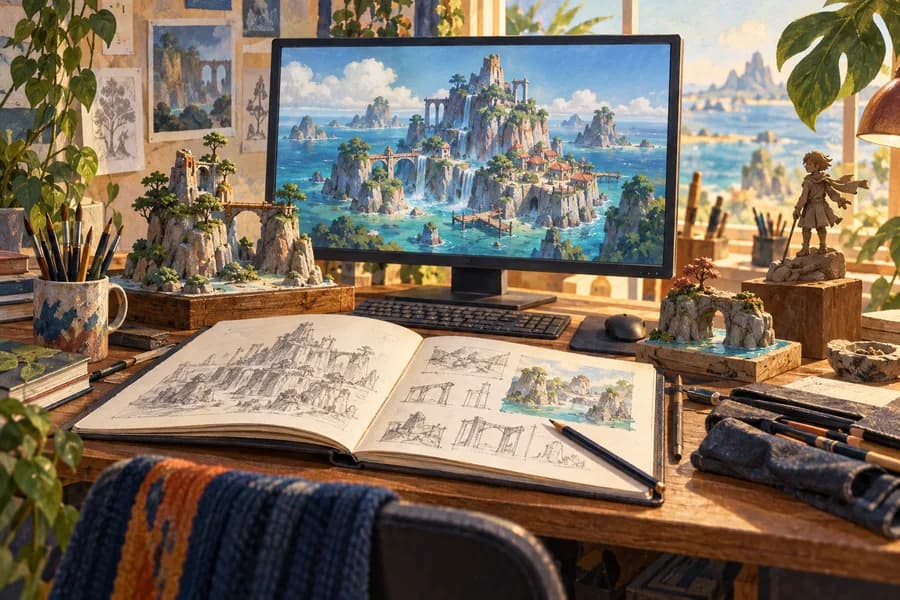
  • Set, prop, model, and exhibition fabrication
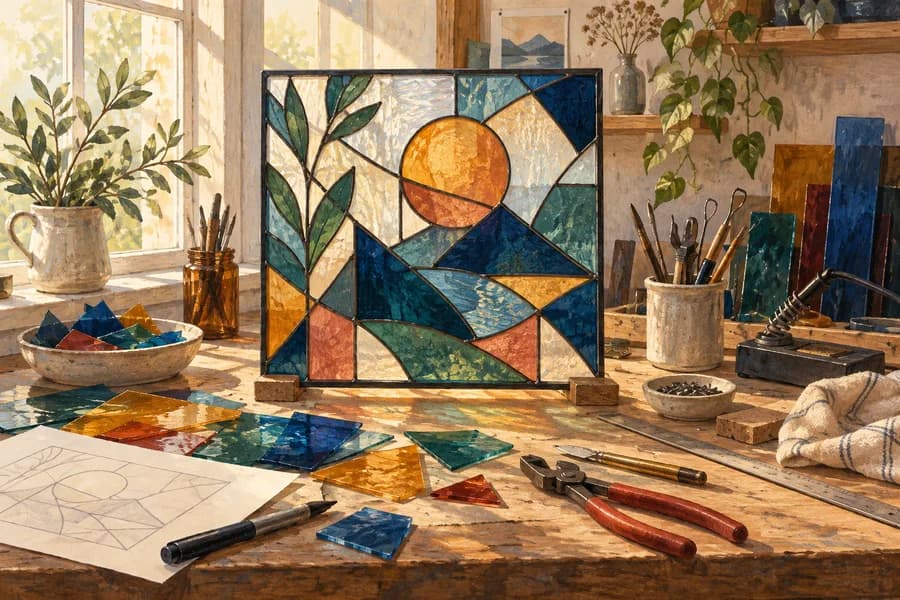
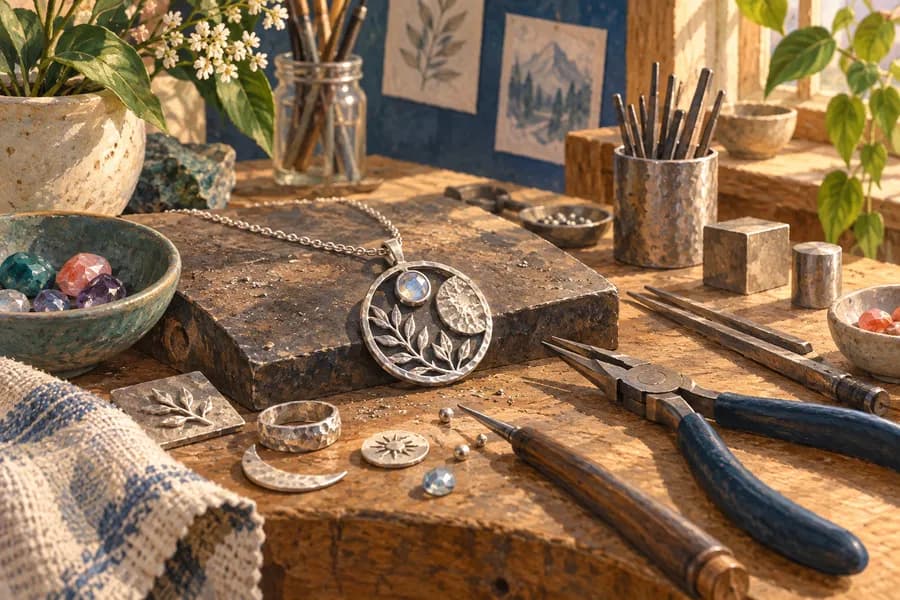
  • Ceramics, jewelry, glass, wood, fiber, and craft practice
  • Public art, installation, and community-based projects

Education, museums, and community work

Artists may work as studio teachers, school educators, teaching artists, museum educators, program coordinators, curators, conservators, gallery staff, arts administrators, or community project leaders. Requirements vary by role and location.

Skills that transfer across creative fields

Useful long-term skills include:

  • Observation and visual analysis
  • Drawing, composition, color, form, and material knowledge
  • Research, experimentation, revision, and problem-solving
  • Time management and completion of multi-step projects
  • Portfolio presentation and clear communication
  • Openness to feedback, collaboration, and continued learning